


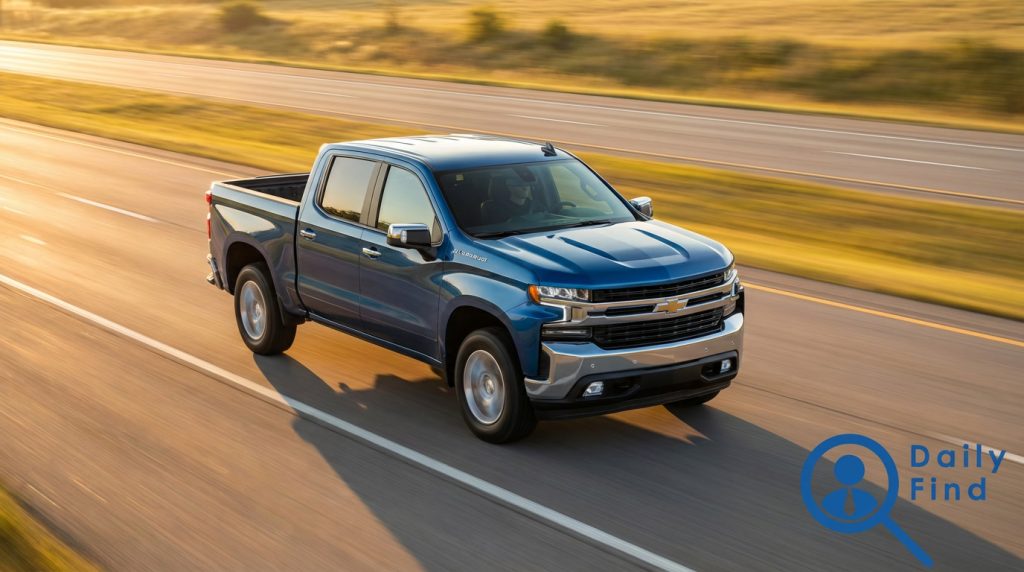
Deciding whether to finance or lease your next vehicle isn’t just a dealership formality — it shapes your monthly budget, long-term costs, and flexibility. In 2026, many shoppers are discovering that the option with the lowest payment upfront isn’t always the most economical in the long run.
Knowing how programs from GM Financial are structured can help you choose based on facts, not just sales pitches.
🏦 What GM Financial Actually Does
GM Financial is the captive financing company for General Motors brands. It creates loan and lease programs tailored to GM vehicles, often pairing them with manufacturer incentives on new models.
That convenience can be valuable — but it doesn’t automatically mean it’s the cheapest option. Rates, approvals, and terms depend heavily on your credit and financial profile.
⚠️ When Leasing May Not Be a Good Fit
Leasing can become expensive if your habits don’t match the contract. It’s usually less suitable if you:
- Drive more than ~12k–15k miles per year
- Prefer to keep cars for many years
- Want freedom to sell, customize, or modify
- Expect income or lifestyle changes soon
Mileage overages and wear fees can quickly outweigh the benefit of lower payments.
🚗 How Financing with GM Financial Works
Financing means you’re working toward ownership.
Typical flow
- Apply at the dealership or prequalify online
- Pick a term (shorter terms reduce interest)
- APR is assigned based on credit tier
- The vehicle builds equity as you pay
Credit insight
Scores above ~680 often access stronger rates, but approvals can happen below that — usually with higher APRs.
🔁 How Leasing with GM Financial Works
Leasing is essentially paying for the vehicle’s expected depreciation.
Typical flow
- Choose term length and mileage allowance
- Pay initial costs (taxes, fees, first payment)
- Monthly payments reflect depreciation
- At lease-end: return, purchase, or upgrade
Leases often require slightly stronger credit profiles than loans.
📄 Documents Commonly Needed
- Valid driver’s license
- Proof of income
- Proof of residence
- Active auto insurance
Arriving prepared can speed approvals and improve negotiation leverage.
📈 Credit Tips That Make a Difference
- Reduce credit card balances before applying
- Avoid opening new accounts
- Use a co-signer if your profile is borderline
- Compare multiple offers before committing
Even a small score improvement can noticeably change your rate.
💰 Long-Term Cost Reality
Financing over time often means
- Lower overall cost
- No payments after payoff
- A resale or trade-in asset
Leasing over time often means
- Ongoing payments cycle after cycle
- No ownership equity
- Predictable but higher lifetime spend
🏦 GM Financial vs. Outside Lenders
While GM Financial is convenient, banks and credit unions may provide:
- Lower APRs for strong credit
- Flexible structures
- Easier refinancing later
Comparing options is almost always worthwhile.
❓ Quick FAQs
Is leasing cheaper than financing in 2026?
Lower monthly payments, yes — lower total cost, usually no.
Does leasing affect credit?
It builds credit like a loan, and missed payments hurt the same way.
Can you buy your leased vehicle?
Yes, though the buyout price may exceed market value.
Is GM Financial bad-credit friendly?
Approvals exist, but rates may be higher than some alternatives.
✅ Final Take
For many 2026 buyers, financing tends to deliver stronger long-term value, while leasing offers short-term simplicity and smaller payments. The right path depends on how long you’ll keep the car, how much you drive, and where your credit stands today.
👉 Compare loan and lease scenarios side by side before signing — a few minutes of research now can save you thousands later.
You will be redirected to the official page.

 Bank of America Auto Loans for Lower Credit & $0-Down in 2026: How It Really Works and Smarter Alternatives <p class='sec-title' style='line-height: normal; font-weight: normal;font-size: 16px !important; text-align: left;margin-top: 8px;margin-bottom: 0px !important;'>Who Qualifies, When $0-Down Is Realistic, and How to Improve Your Approval Odds</p>
  DriveTime Auto Loans in 2026: APR Reality, Approval Chances & What to Check Before Applying <p class='sec-title' style='line-height: normal; font-weight: normal;font-size: 16px !important; text-align: left;margin-top: 8px;margin-bottom: 0px !important;'>A Realistic Look at Costs, Risks, and How to Use DriveTime as a Credit-Building Step</p>
  Ally Auto Loans in 2026: A Practical U.S. Guide to Rates, Approval, and Smarter Alternatives <p class='sec-title' style='line-height: normal; font-weight: normal;font-size: 16px !important; text-align: left;margin-top: 8px;margin-bottom: 0px !important;'>How to Compare Ally with Other Lenders and Avoid Paying More Than Necessary</p>